A data breach can expose personal information, passwords, financial records, business documents, and confidential customer details to unauthorized individuals. It can affect individuals, small businesses, large companies, educational institutions, healthcare providers, and government organizations. In an increasingly connected world, organizations collect and store enormous amounts of information to deliver digital services. When that information is accessed, copied, altered, or disclosed without authorization, the consequences can be serious.
People often assume that their personal information is safe once they submit it to a trusted organization. However, even established companies and institutions can experience security incidents. Attackers may exploit software vulnerabilities, steal employee credentials, send convincing phishing messages, compromise third-party suppliers, or take advantage of incorrectly configured systems. Sometimes information is exposed because of human error rather than a deliberate attack.
A data breach does not always mean that someone has immediately stolen money or taken over an account. It may begin with the exposure of an email address or customer record. However, seemingly limited information can later be combined with other data to create targeted phishing messages, impersonation attempts, identity theft, and financial fraud.
Understanding data breaches is therefore important for everyone who uses online services. Individuals need to know how their information can be exposed, how to recognize signs of misuse, and what actions to take when an organization announces a breach. Businesses must understand their responsibility to protect the information entrusted to them.
This article explains what data breaches are, how they happen, what information criminals target, how breaches affect individuals and organizations, and the practical steps that can reduce the risk and impact of a data breach.
Continue Reading
What Is a Data Breach?
A data breach is a security incident in which sensitive, confidential, or protected information is accessed, disclosed, acquired, altered, or exposed without proper authorization. The information may belong to customers, employees, business partners, patients, students, or members of the public.
A breach can involve personal information such as names, addresses, phone numbers, email addresses, identity documents, financial records, medical information, passwords, or authentication data. It may also involve business information, including internal communications, contracts, intellectual property, customer databases, product plans, and operational records.
Data breaches can occur through external cyberattacks, insider misuse, stolen devices, accidental sharing, insecure storage, or vulnerabilities in third-party services. Not every breach involves a sophisticated hacker. An employee sending a confidential spreadsheet to the wrong recipient can also expose protected information.
A data breach should be distinguished from a data leak, although the terms are sometimes used interchangeably. A breach commonly refers to unauthorized access or disclosure resulting from a security incident. A leak often describes information becoming available outside its intended audience, sometimes because of poor configuration, accidental publication, or deliberate disclosure.
The central issue is that information has become accessible to people or systems that should not have access to it.
Why Data Breaches Are a Major Cybersecurity Concern
Organizations depend on data to operate. They collect information when customers create accounts, make purchases, apply for services, register for events, submit support requests, or communicate with employees. This information can be valuable to criminals because it supports identity theft, financial fraud, targeted scams, and unauthorized access.
A breach can affect thousands or millions of records, depending on the organization's systems and the nature of the incident. Even when only a limited amount of information is exposed, victims may face long-term consequences.
For individuals, the effects can include fraudulent account activity, phishing attempts, identity theft, financial loss, privacy violations, and reputational harm. For businesses, a breach may result in operational disruption, investigation costs, customer distrust, contractual consequences, regulatory scrutiny, and legal exposure.
The risk is not limited to large organizations. Small businesses, independent professionals, startups, and local service providers also store personal and commercial information. Attackers may target smaller organizations because they assume security resources are limited.
Data protection must therefore be treated as an ongoing responsibility rather than a task that is completed once a system is installed.
Common Types of Data Breaches
Personal Data Breaches
Personal data breaches involve information that identifies or can be linked to individuals. This may include names, addresses, phone numbers, email addresses, identification details, employment information, and account records.
Such information can be used to create convincing fraudulent messages or impersonate individuals. When personal data is combined with information from other sources, criminals may be able to construct detailed profiles of their targets.
Financial Data Breaches
Financial data breaches involve information related to banking, payments, transactions, cards, billing, or other financial services.
Exposed payment information may be used in unauthorized purchases or fraud attempts. Bank account details and financial records may also help criminals impersonate customers when communicating with financial institutions.
Financial organizations use multiple security controls, but customers should still monitor account activity and report suspicious transactions promptly.
Healthcare Data Breaches
Healthcare organizations maintain sensitive information, including medical histories, prescriptions, test results, insurance details, and personal identifiers.
A healthcare breach can create privacy risks and may expose information that individuals consider highly personal. Such information may be used for fraud, blackmail, impersonation, or other harmful purposes.
Healthcare providers need strong access controls, secure systems, staff training, and careful handling of patient records.
Business and Corporate Data Breaches
Corporate breaches may expose internal documents, customer databases, financial statements, employee information, source code, business strategies, and confidential communications.
Attackers may use this information for financial fraud, industrial espionage, extortion, or further attacks against suppliers and customers.
A breach can also interrupt business operations if systems must be isolated, restored, or investigated.
Credential Breaches
Credential breaches involve usernames, passwords, authentication tokens, session information, or other data used to access accounts and systems.
Stolen credentials are particularly dangerous when users reuse passwords across multiple services. Attackers may attempt to use exposed credentials on email, banking, social media, shopping, and workplace platforms.
Unique passwords and multi-factor authentication can reduce the impact of credential exposure.
How Data Breaches Happen
Phishing and Credential Theft
Phishing is one of the common methods used to gain access to organizational systems. Attackers send deceptive emails or messages that appear to come from colleagues, managers, service providers, customers, or trusted platforms.
An employee may receive a message asking them to review an invoice, sign in to a shared document, or confirm an account. The message may contain a link to a fake login page designed to collect credentials.
Once attackers obtain valid credentials, they may use them to access email accounts, cloud platforms, internal applications, or customer databases.
Organizations should train employees to identify suspicious messages, use multi-factor authentication, and report unexpected login prompts. Employees should never approve authentication requests they did not initiate.
Weak or Stolen Passwords
Weak passwords can make unauthorized access easier. Attackers may use common password lists, credentials exposed in earlier breaches, or automated attempts to identify accounts with predictable passwords.
Password reuse is particularly risky. If a password is exposed on one website, criminals may try it on other services.
Organizations should enforce appropriate password policies, support password managers, enable multi-factor authentication, and monitor suspicious login activity. Employees should use unique passwords for business accounts and avoid sharing credentials.
Unpatched Software Vulnerabilities
Software contains weaknesses that may be discovered after a product has been released. Developers publish security updates to fix these vulnerabilities, but systems that remain outdated may continue to be exposed.
Attackers regularly look for internet-facing systems running vulnerable software. If a weakness allows unauthorized access, criminals may use it to enter a network, obtain sensitive records, or install malicious software.
Organizations should maintain an accurate inventory of systems, apply security updates promptly, remove unsupported software, and prioritize vulnerabilities according to their severity and exposure.
Misconfigured Cloud Storage and Databases
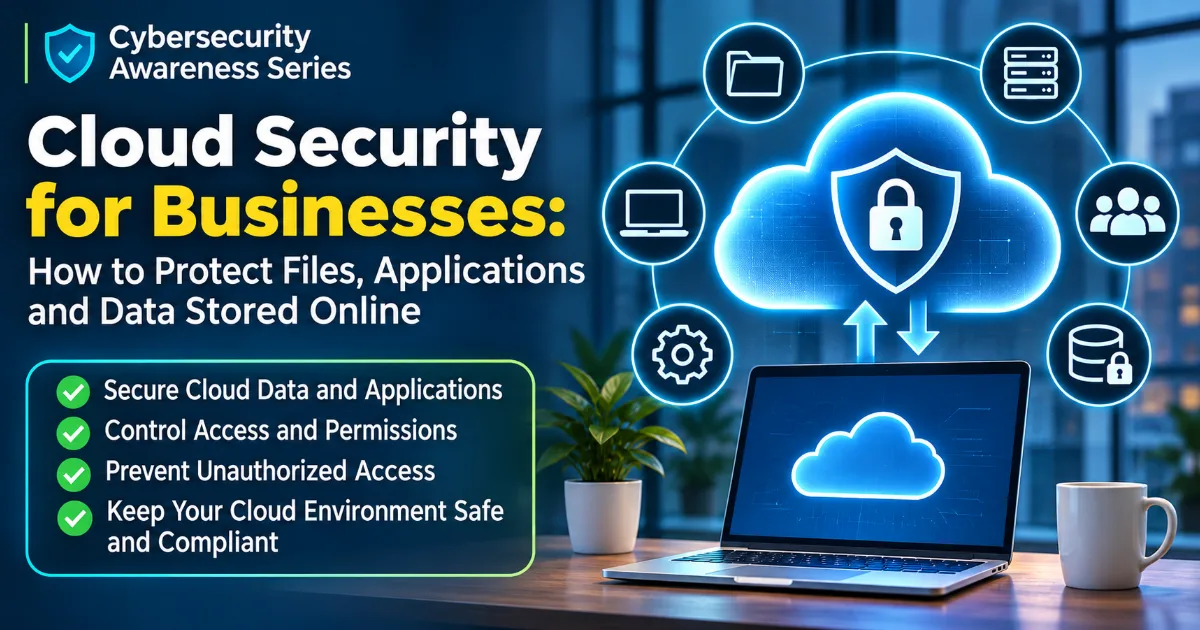
Cloud services allow organizations to store and process information without maintaining all infrastructure themselves. However, cloud systems still require careful configuration.
An incorrectly configured storage bucket, database, file-sharing service, or access policy may expose information to people who should not be able to view it.
For example, a business might unintentionally make a folder containing customer documents publicly accessible. The information could then be discovered and copied by unauthorized visitors.
Organizations should review access policies, disable public access unless specifically required, use encryption, and regularly audit cloud configurations.
Malware and Ransomware
Malware is software designed to perform harmful or unauthorized activities. It may steal information, monitor user activity, capture credentials, or create unauthorized access to systems.
Ransomware is a form of malicious software that may encrypt files or disrupt access to systems while criminals demand payment. Some ransomware operations also steal data before encrypting systems and threaten to publish it if the victim does not pay.
Organizations need layered security controls, reliable backups, endpoint protection, access restrictions, and incident response procedures. Backups should be protected so that attackers cannot easily delete or encrypt them.
Insider Threats
An insider threat involves someone with legitimate access to an organization's systems or information who misuses that access, either intentionally or unintentionally.
An employee might copy confidential records for personal reasons, share documents with an unauthorized person, or accidentally send information to the wrong recipient. A contractor may retain access after completing a project.
Organizations should follow the principle of least privilege, which means people receive only the access required for their responsibilities. Access should be reviewed regularly and removed when it is no longer needed.
Staff training, monitoring, clear policies, and appropriate separation of responsibilities can help reduce insider-related risks.
Third-Party and Supply Chain Compromises
Organizations often depend on external providers for cloud hosting, payment processing, analytics, customer support, software development, and other services.
If a supplier experiences a security incident, information shared with that supplier may also be exposed. Attackers may even target a smaller service provider because it has access to larger organizations.
Businesses should understand what information third parties handle, review their security practices, define contractual responsibilities, and limit access to necessary data.
Third-party security should be part of the organization's overall risk management process.
Lost or Stolen Devices
Laptops, smartphones, external drives, and storage devices may contain sensitive information. If a device is lost or stolen without appropriate protection, the information stored on it may be exposed.
Organizations should use device encryption, strong authentication, remote management, secure backups, and procedures for reporting missing equipment.
Employees should avoid storing unnecessary confidential information on personal devices and should follow approved procedures when working remotely.
Human Error and Accidental Disclosure
Not every data breach is caused by a malicious attacker. Human error can expose information through incorrect email recipients, publicly shared documents, misplaced devices, weak access settings, or improper disposal of records.
A staff member may accidentally attach a customer database to an email intended for a colleague. A shared document may be configured so that anyone with its link can access it.
Organizations should provide practical training, use secure sharing tools, implement approval processes for sensitive information, and make it easy for employees to report mistakes quickly.
What Information Is Commonly Exposed in a Data Breach?
The type of information exposed depends on the organization and the systems involved. A breach may reveal one category of data or several categories together.
Personal identifiers may include names, dates of birth, residential addresses, phone numbers, and email addresses. Contact information can help criminals target victims with convincing messages.
Login credentials may include usernames, passwords, password reset information, authentication tokens, or session identifiers. If credentials are exposed, affected users should follow the service provider's instructions and change passwords where necessary.
Financial information may include transaction records, payment details, billing addresses, or account information. Victims should monitor financial activity and contact their financial institutions if suspicious activity appears.
Healthcare information may include medical records, prescriptions, insurance information, or appointment details. Such exposure can create sensitive privacy concerns.
Business information may include contracts, internal communications, customer records, employee files, source code, or confidential plans.
It is important to remember that information can remain sensitive even when it does not include a password or financial number. A name combined with a phone number, employer, and purchase history may be enough to support targeted social engineering.
Warning Signs That Your Information May Have Been Exposed
Data breaches are not always immediately visible to the people affected. Sometimes an organization discovers the incident and informs customers later. In other cases, victims notice unusual activity before receiving an official notification.
Unexpected password reset messages may indicate that someone is attempting to access an account. Login alerts from unfamiliar locations or devices should be investigated. Unrecognized transactions, new account notifications, and unfamiliar changes to contact details may also indicate misuse.
An increase in suspicious emails, text messages, or calls can sometimes follow a breach. Criminals may use exposed contact details to send messages that appear more relevant and convincing.
You may also receive legitimate notifications from an organization explaining that certain information was involved in a security incident. Read these communications carefully, but verify them through the organization's official website or application if you are unsure whether the notification is genuine.
Not every unusual message proves that a breach has occurred. However, unexplained activity should be investigated rather than ignored.
What to Do When an Organization Announces a Data Breach
Verify the Breach Notification
When an organization announces a data breach, first verify that the notification is genuine. Criminals sometimes exploit public breach announcements by sending fake messages that claim to offer account protection or identity recovery.
Visit the organization's official website directly or contact its support team through verified channels. Do not rely on unexpected links or phone numbers in suspicious messages.
Read the notification carefully to understand what happened, which information may have been affected, and what actions the organization recommends.
Identify What Information Was Exposed
Different categories of exposed information require different responses.
If an email address was exposed, be alert to targeted phishing messages. If a password was exposed, change it immediately on the affected service and anywhere else it was reused. If financial information was involved, contact the relevant financial institution and monitor transactions.
If identity documents or sensitive personal information were exposed, follow the guidance of the relevant issuing authority and monitor for impersonation or fraudulent applications.
Do not assume that every record was exposed. Use the organization's official notification to understand the known scope, while recognizing that investigations may take time.
Change Affected Passwords
If a password was involved in the breach, change it through the official website or application. Use a strong, unique password that is not used on any other service.
If the same password was used elsewhere, change it on those accounts too. Prioritize email, banking, cloud storage, social media, and workplace accounts.
A password manager can help generate and store unique credentials. Avoid creating a new password that is only a minor variation of the exposed one.
Enable or Review Multi-Factor Authentication
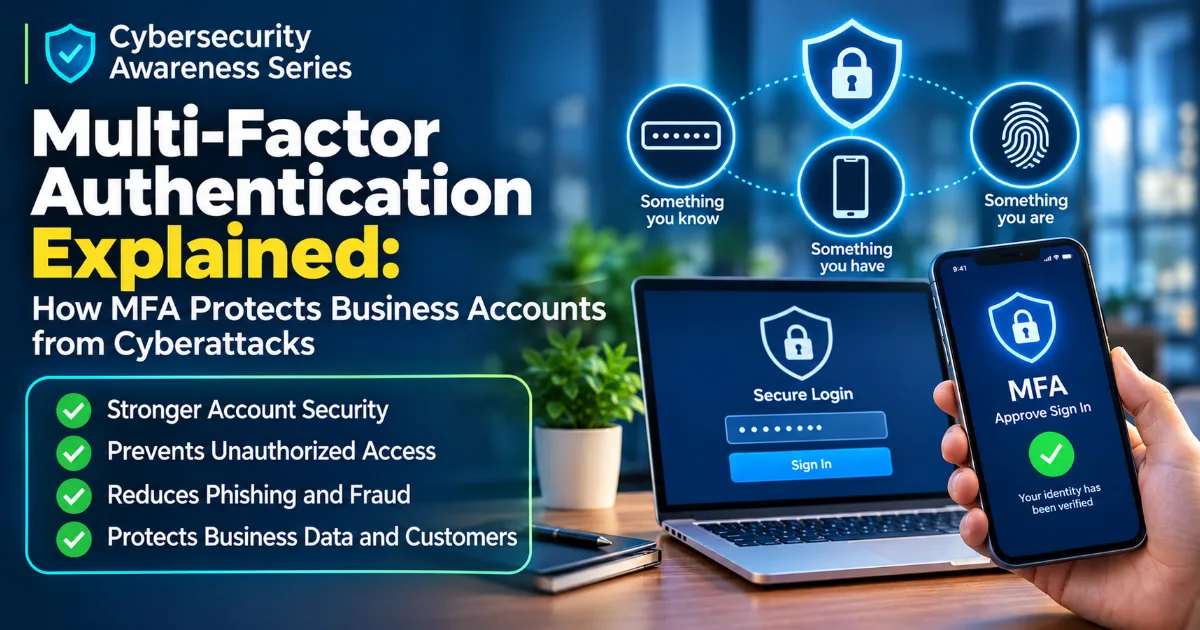
Multi-factor authentication adds another verification step beyond a password. Enable it on affected accounts and other important services where it is available.
Where supported, use phishing-resistant methods such as passkeys or hardware security keys. Authenticator applications can also provide useful protection.
Review existing authentication devices and recovery options. Remove devices or phone numbers that you no longer control.
Monitor Financial and Online Accounts
Check bank statements, card transactions, digital payment activity, and other financial records. Enable transaction notifications where available.
Review important online accounts for unfamiliar sessions, profile changes, connected applications, or unexpected messages.
If you notice suspicious activity, contact the relevant service provider through an official channel. Report unauthorized transactions promptly and follow the institution's instructions.
Watch for Follow-Up Scams
Criminals may use information exposed in a breach to make later scams more convincing. They might mention the affected organization, a recent purchase, a partial account detail, or a supposed security investigation.
Be suspicious of unsolicited calls or messages asking for passwords, PINs, one-time codes, payment, or remote access.
A legitimate organization should not require you to disclose your password or authentication code to prove your identity during an unsolicited call.
How Individuals Can Reduce the Risk of Data Exposure
Individuals cannot control every organization that stores their information, but they can reduce the amount of data they expose and strengthen the accounts connected to it.
Use unique passwords for important services and enable multi-factor authentication. Secure your primary email account because it may be used to reset access to other accounts.
Share only the personal information necessary for a service. Before submitting identity documents, financial records, or other sensitive information, verify that the organization is genuine and that the submission process is appropriate.
Keep smartphones, computers, browsers, and applications updated. Install software from trusted sources and review application permissions.
Avoid storing sensitive documents in publicly accessible folders or sending them through unverified channels. When using cloud storage, review sharing permissions and remove links that are no longer required.
Be cautious with public Wi-Fi and unexpected links. A reputable VPN may provide additional protection on untrusted networks, but it cannot prevent phishing or compensate for unsafe account practices.
Finally, maintain secure backups of important personal information. Backups help protect against data loss caused by device failure, ransomware, or accidental deletion, although backup accounts must also be secured.
How Businesses Can Prevent Data Breaches
Identify and Classify Sensitive Data
Businesses should understand what information they collect, where it is stored, who can access it, and how long it needs to be retained.
Data classification helps organizations identify sensitive records and apply suitable protection. Personal identifiers, financial information, health records, authentication data, and confidential business documents may require stronger controls than ordinary public information.
Collecting less information can also reduce risk. If a business does not need a particular category of data, it should consider whether collecting and retaining it is justified.
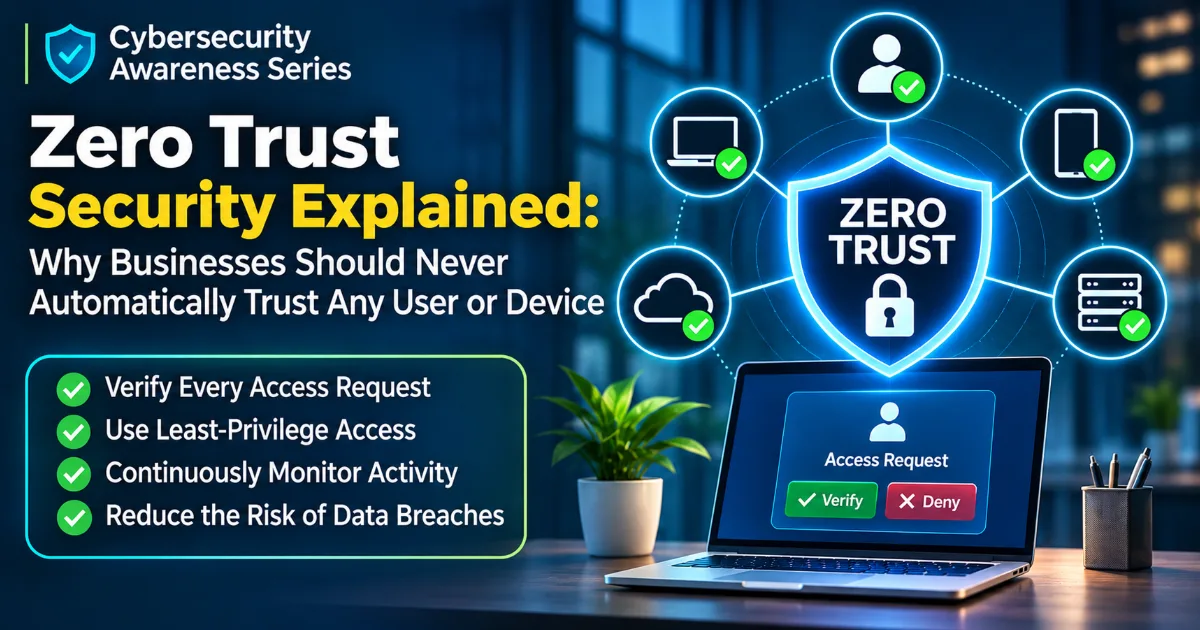
Apply the Principle of Least Privilege
Employees and systems should receive only the access required for their responsibilities.
A staff member who manages customer support may not need access to financial records or internal product development documents. Similarly, an external supplier should not receive broad access when a limited integration is sufficient.
Review permissions regularly, remove inactive accounts, and revoke access when employees or contractors leave.
Encrypt Sensitive Information
Encryption helps protect information by making it unreadable to unauthorized parties without the appropriate keys.
Businesses should consider encryption for data stored on devices, servers, databases, and backups, as well as for information transmitted across networks.
Encryption is not a complete solution on its own. Access controls, secure key management, monitoring, and proper configuration are also essential.
Maintain Updates and Security Monitoring
Organizations should maintain an inventory of software and systems, track security updates, and prioritize vulnerabilities that create significant exposure.
Monitoring can help identify unusual login attempts, suspicious data transfers, unexpected configuration changes, and other signs of compromise.
Security alerts should be reviewed by people who understand how to investigate them. Collecting logs without monitoring or response procedures provides limited protection.
Train Employees Regularly
Employees should understand how to recognize phishing, handle sensitive documents, protect credentials, report suspicious activity, and use approved business systems.
Training should use realistic examples relevant to the organization's work. Employees should feel able to report mistakes quickly without unnecessary fear of blame, because early reporting can reduce the impact of an incident.
Create an Incident Response Plan
Every organization should have a documented process for responding to security incidents. It should identify responsibilities, escalation procedures, communication channels, technical response steps, and recovery priorities.
The plan should address how to contain affected systems, preserve evidence, investigate the incident, restore services, and communicate with affected individuals when required.
Organizations should test their response plans through exercises and update them when systems or business operations change.
Understanding Data Breach Reporting and Legal Responsibilities
Data protection and breach notification requirements differ across countries and industries. Some laws require organizations to report certain incidents to regulators or notify affected individuals within specified conditions or timeframes.
Organizations should understand the laws that apply to their operations, the categories of information they process, and their responsibilities when a breach occurs.
In India, businesses handling personal data should pay attention to applicable data protection requirements and official guidance. Organizations should seek qualified legal and security advice when determining their reporting and notification obligations.
Individuals should use official channels when reporting suspected misuse of personal information. Avoid relying on unofficial recovery agents or websites that promise guaranteed results.
Why Backups Are Important After a Data Breach
A data breach may involve more than information being copied. Some incidents also involve data deletion, modification, ransomware, or disruption of business systems.
Reliable backups can help organizations restore information and resume operations. However, backups must be protected against unauthorized access and deletion.
Maintain backups that are separate from the primary environment where practical. Use appropriate access controls, encryption, and monitoring. Test restoration procedures regularly because a backup that cannot be restored is not a dependable recovery solution.
Individuals should also back up important photographs, documents, and other personal files. Cloud backups should be protected with strong authentication, and especially important information may benefit from an additional secure copy.
Conclusion
Data breaches are a major cybersecurity concern because organizations and individuals depend on digital information for everyday activities. A breach can expose personal details, passwords, financial records, medical information, customer databases, and confidential business documents.
Cybercriminals may exploit phishing, stolen credentials, vulnerable software, malware, cloud misconfigurations, insider misuse, third-party suppliers, and human error. These incidents can result in identity theft, financial fraud, privacy violations, operational disruption, and reputational damage.
Individuals should use unique passwords, enable multi-factor authentication, protect their email accounts, limit unnecessary data sharing, update devices, and monitor important accounts. When a breach is announced, verify the notification, understand what information was exposed, secure affected accounts, and watch for follow-up scams.
Businesses must take a broader approach through data classification, access controls, encryption, security monitoring, employee training, vendor oversight, backups, and incident response planning.
No organization or individual can eliminate every cybersecurity risk. However, preparation and timely action can significantly reduce the likelihood and impact of data exposure. Personal information deserves careful protection wherever it is collected, stored, shared, or processed.
#DataBreach #CybersecurityAwareness #DataProtection #OnlineSafety #PrivacySecurity